Comprehensive Modernization of Polytechnic Institutes: German Dual Vocational Model Catalyzes Technical Education Revolution
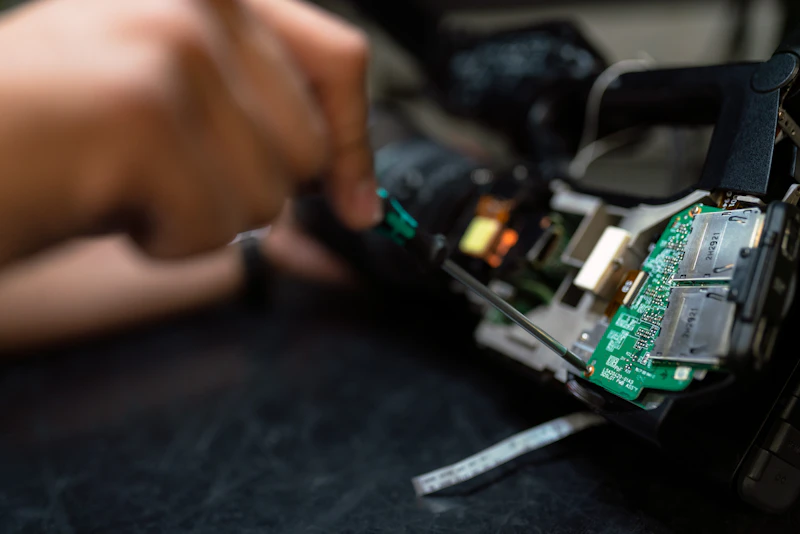
Addressing the urgent industrial demand for skilled technicians and automation engineers, the Directorate of Technical Education has completed a sweeping modernization across all public and private polytechnic institutes. Adapting the celebrated 'Dual Vocational Education and Training' (DVET) pedagogical framework of Germany and Switzerland, the four-year diploma curriculum has been overhauled. Polytechnic scholars now spend half of their academic semesters embedded directly on active industrial manufacturing floors, acquiring hands-on masteries.
The engineering overhaul has retrofitted workshops across all 64 district polytechnics with high-precision Computer Numerical Control (CNC) multi-axis machining suites, robotic welding cells, automotive mechatronics testbeds, and industrial Programmable Logic Controller (PLC) labs. Archaic manual drawing boards have been replaced by state-of-the-art CAD/CAM modeling suites, training students on tools actively deployed across aerospace, automotive, and high-tech textile industries.
The program incorporates an 'Earn While You Learn' apprentice stipend model. During factory deployments, industrial conglomerates provide monthly apprentice stipends alongside housing and healthcare subsidies. Through tripartite agreements with the Federation of Bangladesh Chambers of Commerce and Industry (FBCCI), graduates achieving international competencies secure immediate permanent placement upon graduation, eliminating unemployment among technical cohorts.
International labor mobility accreditation has expanded dramatically. The Bangladesh Technical Education Board's diploma credentials have achieved mutual recognition alignment with the European Qualifications Framework (EQF) and Japan's Technical Intern Training standards. Certified graduates are securing high-earning technical roles across precision manufacturing plants in Germany, Japan, and the Gulf, funneling millions in foreign exchange home.
Vocational education scholars emphasize that technical talent is the ultimate engine of sovereign industrialization. Elevating the social dignity and market value of technical vocations ensures that Bangladesh's demographic dividend translates into world-class manufacturing competitiveness across the 21st-century global marketplace.
Related Stories

National Education Curriculum Overhaul: Ending Rote Memorization to Champion Experiential Science, Critical Inquiry, and Creative Thinking

Historic Funding Surge for Public University Research: Bangladeshi Scholars Shatter Records for High-Impact International Scientific Publications
