
Ultra-Fast EV Charging Highway Corridors Inaugurated on Dhaka-Chattogram and Sylhet Expressways: Accelerates Indigenous Electric Vehicle Transition
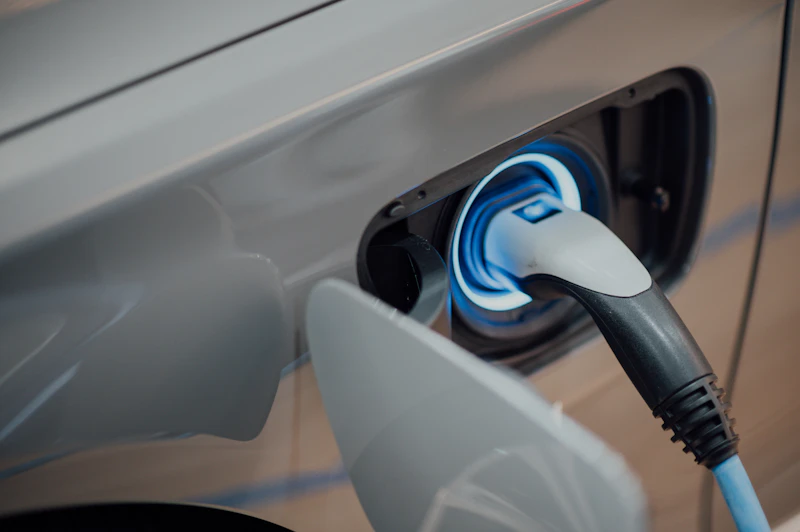
In a historic clean-transportation milestone slashing fossil-fuel import dependency and advancing green mobility, the Roads and Highways Department alongside the Bangladesh Power Development Board has officially energized comprehensive 'Ultra-Fast Electric Vehicle (EV) Charging Corridors' along the vital Dhaka-Chattogram and Dhaka-Sylhet national expressways. Spaced systematically at 50-kilometer intervals, international-standard direct-current (DC) fast-charging plazas enable electric passenger cars and commercial transit buses to achieve an 80 percent charge in just 15 to 20 minutes.
Officiating at the corridor commissioning, road transport leadership highlighted that each highway plaza features high-output 240kW dual-dispenser liquid-cooled charging units integrated with dynamic grid-balancing systems. Motorists utilize a unified national mobile application to locate charging hubs, reserve bay slots in advance, and execute cashless micropayments via automated digital wallets, eliminating intercity range anxiety.
The deployment of charging corridors has ignited a manufacturing renaissance across domestic automobile facilities. Industrial complexes in Gazipur and Narayanganj have established assembly lines producing indigenous electric commuter buses and compact urban cars in technical joint ventures with Japanese and Chinese EV pioneers. Local production of certified Lithium Iron Phosphate (LFP) battery enclosures and intelligent Battery Management Systems (BMS) delivers vehicles priced 40 percent below equivalent imported fossil-fuel models.
Intercity bus transport federations enthusiastically welcomed the infrastructure, commissioning modern fleets of electric luxury motorcoaches to replace polluting diesel coaches. Fleet operators report that per-kilometer operating expenditures for electric buses are nearly 70 percent lower than diesel, while passengers enjoy vibration-free, whisper-quiet cabin transit.
The Department of Environment confirmed that transitioning highway traffic onto electric propulsion will curtail national transport carbon emissions by nearly 30 percent over the next decade, while saving hundreds of millions of dollars in refined petroleum imports. The milestone firmly aligns Bangladesh with its statutory target to electrify 40 percent of national vehicular transport by 2030.
Related Stories

Bangladesh Unveils First Sovereign Large Language Model 'Shadhin AI': Historic Breakthrough for Bengali Artificial Intelligence

Commercial 5G Telecom Network Goes Live Across Major Metropolises: High-Speed Low-Latency Connectivity Unleashes Industrial Automation
