Unprecedented Consensus on UN Security Council Reform: Member States Finalize Framework to Grant Permanent Seats and Veto Limits for Global South

In a momentous constitutional transformation realigning multilateral governance with the multipolar realities of the 21st century, the United Nations General Assembly has achieved unprecedented cross-regional consensus, formally ratifying a comprehensive framework text to expand and democratize the UN Security Council (UNSC). Convening in an extraordinary plenary session at UN Headquarters in New York, member states overwhelmingly endorsed a binding roadmap expanding total council composition from fifteen to twenty-five seats, formally guaranteeing permanent representation to the Global South.
The codified reform blueprint directly rectifies historic structural disenfranchisement. Two permanent seats have been designated for the African continent, two for the Asia-Pacific basin, and one for Latin America and the Caribbean, ensuring that regions representing the overwhelming majority of global humanity possess permanent deliberative parity. Furthermore, the framework places historic statutory fetters on the archaic unilateral veto privileges wielded by the permanent five (P5) members, legally nullifying any veto deployment in matters involving mass atrocities, genocides, or catastrophic humanitarian emergencies.
Addressing the assembly, the President of the General Assembly celebrated the historic accord as a vital rebirth of global institutional legitimacy: 'The geopolitical world of 1945 has irrevocably passed. A premier international peace arbiter devoid of permanent African or Latin American voices could no longer command moral authority. Today's democratic expansion resurrects the United Nations as an authentically universal forum for sovereign equality and collective security.'
Leadership across the G4 coalition—comprising India, Brazil, South Africa, and Japan—alongside the African Union enthusiastically praised the breakthrough. National delegations affirmed that structural representation dismantles decades of unilateral geopolitical coercion, providing a transparent, rules-based arena capable of enforcing peace settlements with authentic global legitimacy.
International jurists and geopolitical scholars noted that a democratized Security Council decisively elevates global advocacy for climate justice, sovereign debt restructuring, and equitable resource distribution. Granting frontline developing nations co-equal authority across international peace architecture establishes an enduring foundation for world stability throughout the 21st century.
Related Stories
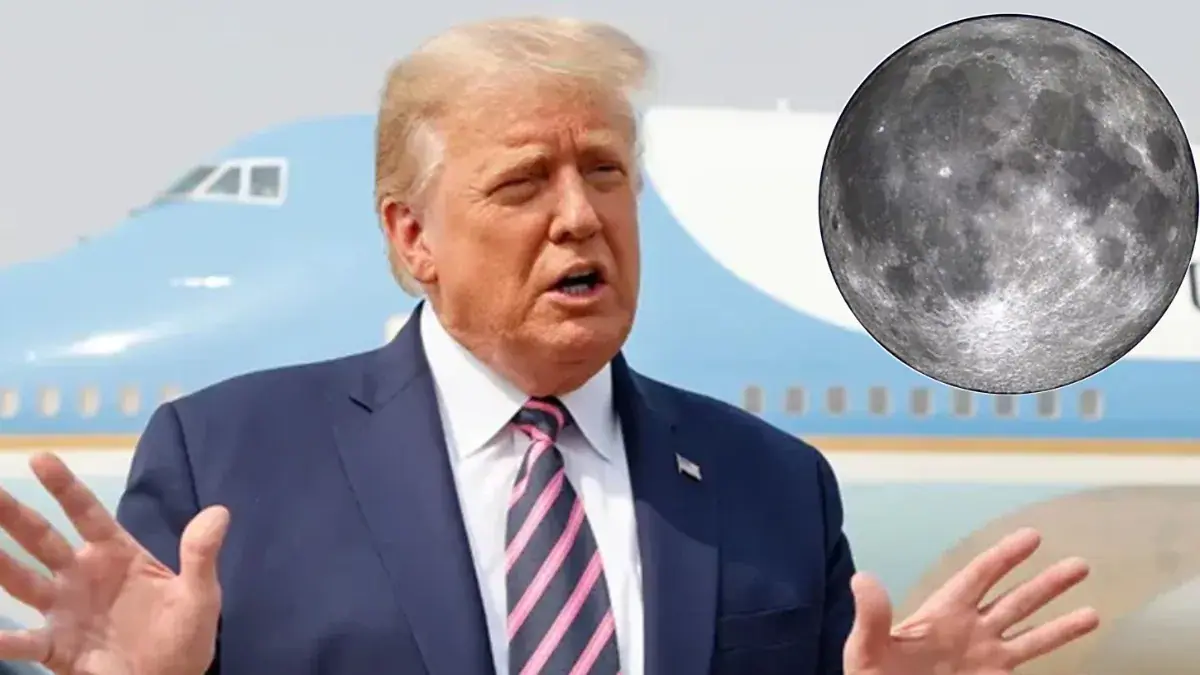
চাঁদের মালিকানা দাবি করেছেন ডোনাল্ড ট্রাম্প
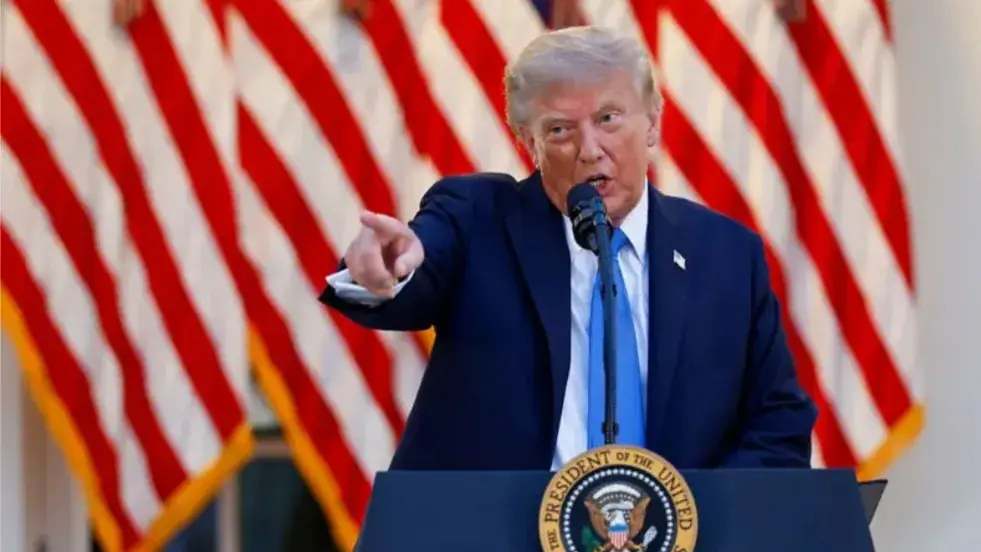
রিপাবলিকানরা মধ্যবর্তী নির্বাচনে জিতলে প্রত্যেক প্রাপ্ত বয়স্ক আমেরিকান পাবে ৫০০০ ডলার -ট্রাম্প
