
Above the Clouds in Sajek and Bandarban: Ethical Eco-Tourism and Indigenous Cultural Preservation Transform Mountain Travel
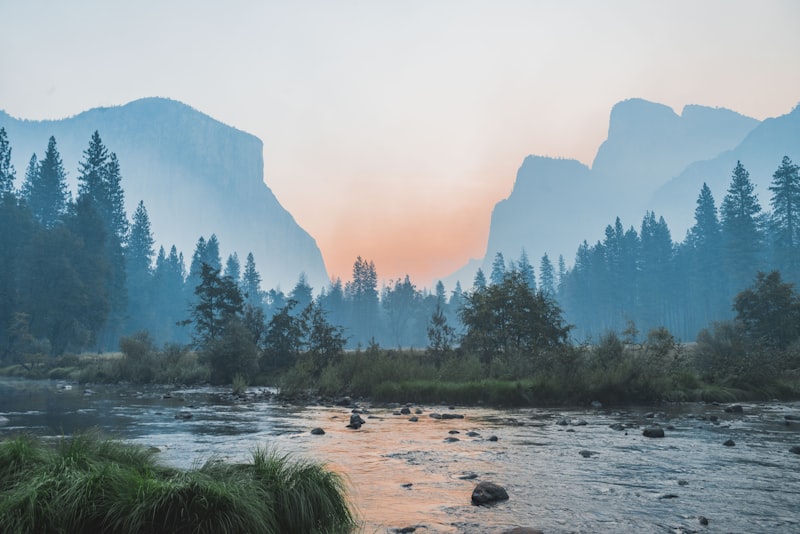
Where mist-laden mountain peaks breach crystalline blue skies and pristine waterfalls plunge into ancient valleys, Sajek Valley in Rangamati and the rugged highlands of Bandarban have established themselves as premier destinations for immersive eco-travel. Welcoming hundreds of thousands of nature enthusiasts each season, the mountain destinations have successfully transitioned away from mass commercial tourism toward an ethical, community-led 'Sustainable Eco-Tourism' paradigm designed to protect fragile mountain ecosystems and celebrate indigenous tribal heritage.
Across the ridges of Sajek and Ruma, sustainable architecture takes precedence. Boutique eco-resorts crafted from renewable bamboo, local hardwoods, and thatch operate off-grid via rooftop solar arrays and rainwater harvesting systems. Environmental protection checkpoints strictly ban single-use plastics from mountain trails, requiring visitors to carry reusable insulated canteens and dispose of organic waste in designated composting bins.
The core strength of this tourism model lies in direct indigenous leadership. Families from the Chakma, Marma, Tripura, Bawm, and Lushai communities directly host cultural evenings and dining experiences. Visitors savor organic wild hill-vegetables, aromatic jhum red rice, and legendary bamboo chicken (tender chicken slow-cooked with wild ginger inside green bamboo tubes over open embers). Direct sales of hand-woven tribal textiles, shawls, and beadwork channel tourism revenues straight into local households.
In the trekking corridors of Thanchi and Ruma, hiring certified indigenous youth guides is legally mandated. This guarantees dignified, high-paying livelihoods for mountain youths while ensuring trekkers safely navigate challenging trails leading to Amiakhum, Nafakhum, and the summit of Keokradong. Guides are trained in wilderness first aid and conservation ethics.
Eco-tourism researchers hail the Chittagong Hill Tracts model as an inspiring benchmark for sustainable regional development. Balancing conservation with indigenous empowerment, ethical mountain travel ensures that the pristine beauty and rich cultural tapestry of the hills remain vibrant for generations to come.
Related Stories

Renaissance of Bengali Gastronomy: Traditional Hilsa Feasts, Artisanal Bhortas, and Heritage Cuisine Captivate Global Palates

Sustainable Slow Fashion and Handloom Elegance: How Conscious Living is Inspiring Bangladesh's Youth Toward Mindful Wardrobes
