Active Pharmaceutical Ingredient (API) Industrial Park Commissioned in Munshiganj: Bangladesh Achieves Sovereignty in Raw Medicine Synthesis
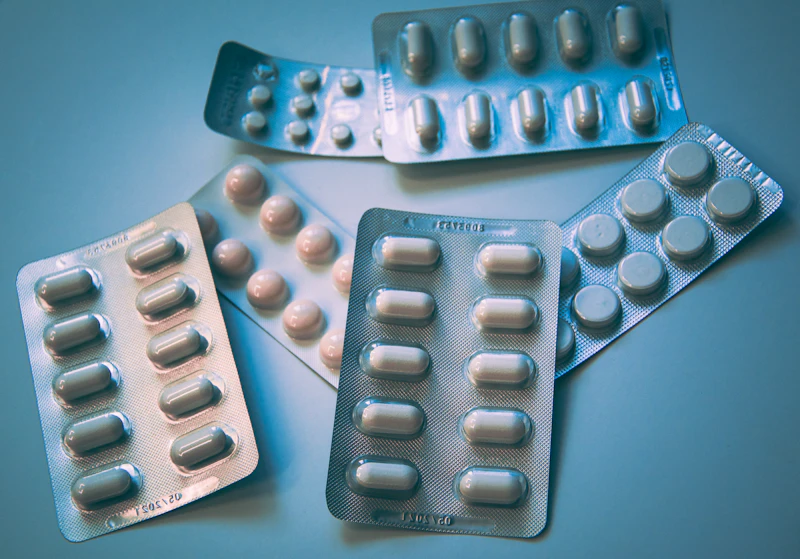
In an epochal achievement emancipating Bangladesh's world-class pharmaceutical manufacturing sector from external chemical dependency, the sprawling Active Pharmaceutical Ingredient (API) Industrial Park in Gazaria, Munshiganj, has formally attained full commercial synthesis operations. Spanning 200 acres along the Meghna river basin, the state-of-the-art chemical cluster houses dedicated molecular synthesis plants commissioned by over twenty premier pharmaceutical conglomerates, including Square, Incepta, Beximco, Renata, and Acme. The facilities synthesize critical active molecules for analgesics, broad-spectrum antibiotics, oncology therapeutics, and cardiovascular formulations locally.
Leadership from the Bangladesh Association of Pharmaceutical Industries (BAPI) underscored that domestic drug manufacturers historically imported upwards of 90 percent of foundational pharmaceutical raw materials from chemical suppliers in China and India. Exposure to international logistics shocks and currency volatility repeatedly compromised finished medicine supply lines. Operating at full synthesis scale, the Gazaria park satisfies over half of national API demand, saving upwards of $1 billion in sovereign foreign exchange reserves each year.
To safeguard environmental and public health standards, the chemical complex features South Asia's most sophisticated zero-liquid-discharge Central Effluent Treatment Plant (CETP), solvent recovery distillation columns, and high-temperature hazardous waste incinerators. Fully compliant with rigorous US FDA, European Medicines Agency (EMA), and WHO Current Good Manufacturing Practice (cGMP) guidelines, the synthetic active ingredients achieve pristine analytical purity.
Raw material sovereignty has unleashed immense momentum across Bangladesh's finished formulation exports, which currently serve clinical markets across more than 160 nations worldwide. Local active ingredient synthesis slashes manufacturing unit costs by 20 percent, positioning Bangladeshi generic medications to decisively underbid multinational competitors in competitive international procurement tenders across Africa, Latin America, and Southeast Asia.
Ministry of Health and Family Welfare officials emphasized that localized API synthesis reliably insulates domestic retail drug pricing from global currency swings, keeping life-saving therapies affordable for ordinary citizens. Furthermore, the chemical cluster has generated thousands of high-remuneration jobs for chemical engineers and synthetic organic chemists, establishing Bangladesh as a premier regional hub for advanced pharmaceutical science.
Related Stories

Bangladesh RMG Sector Accelerates Circular Fashion and Green Factory Transition: Secures Record Export Expansion Across European Retail Markets

Dhaka Stock Exchange Deploys Advanced AI Surveillance and Strict Corporate Governance: Capital Market Surges to New Highs
