
Minimalist Bengali Interior Aesthetics: Harmonizing Terracotta, Bamboo, Cane, and Natural Light in Modern Home Design
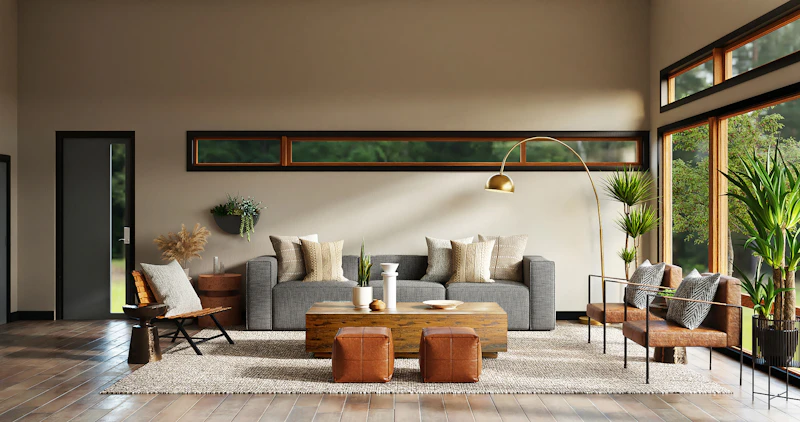
Moving away from glossy synthetic laminates and cluttered imported furniture, contemporary interior architecture in Bangladesh is undergoing an elegant aesthetic transformation. Urban residences are embracing an organic interior philosophy that weaves ancient terracotta pottery, hand-woven Shitol Pati reed mats, polished native bamboo, and sculptural cane furnishings into minimalist spaces. Merging functional modernism with artisanal craft, homes are becoming peaceful sanctuaries celebrating deltaic natural beauty.
Leading interior architects prioritize natural cross-ventilation and daylight. By removing non-structural partition walls to create fluid open-concept living spaces, residences maximize natural light through expansive floor-to-ceiling windows shaded with woven bamboo screens. Natural illumination eliminates daytime artificial lighting needs, reducing energy consumption while supporting human circadian rhythms.
Color palettes reflect natural earth tones: warm terracottas, muted ochres, and natural lime-washes replace petrochemical paints. Living areas showcase hand-woven Jute dhurrie floor rugs, minimalist teak wood seating paired with cane armchairs, and linen cushions hand-embroidered with subtle Nakshi Kantha motifs. Dining tables showcase handmade glazed terracotta bowls, brass serving vessels, and carved coconut-wood spoons, turning daily meals into an authentic cultural ritual.
Biophilic elements are integral to the aesthetic. Shaded balconies and living alcoves host air-purifying indoor flora—including native ferns, snake plants, and broad-leaf monsteras housed in unglazed terracotta planters that naturally filter airborne toxins. Terracotta water urns adorned with floating jasmine and night-blooming lotus near entryways provide natural cooling and release delicate floral aromas.
Architectural philosophers observe that a home should be an authentic reflection of the inhabitant's inner peace and cultural identity. Furnishing living spaces with indigenous, sustainable materials connects families to their heritage while creating a sustainable, timeless, and serene modern living environment.
Related Stories

Renaissance of Bengali Gastronomy: Traditional Hilsa Feasts, Artisanal Bhortas, and Heritage Cuisine Captivate Global Palates

Sustainable Slow Fashion and Handloom Elegance: How Conscious Living is Inspiring Bangladesh's Youth Toward Mindful Wardrobes
