Full Decentralization of Local Governance: Union Parishads and Upazilas Granted Direct Budgetary Allocations and Administrative Autonomy

In an epochal governance reform aimed at dismantling centralized bureaucratic inertia and catalyzing grassroots socio-economic development, the Ministry of Local Government, Rural Development, and Cooperatives has formally approved a comprehensive structural decentralization framework. Under this historic policy shift, over 4,500 Union Parishads and 495 Upazila Parishads will receive direct, unencumbered block-grant fiscal transfers from the national Annual Development Programme (ADP), ending decades of administrative bottlenecks where rural projects languished awaiting approvals from ministerial secretariats.
To ensure ironclad fiscal transparency, the decentralization statute mandates participatory 'Social Audits' and public hearings for every municipal works package. Rural connectivity roadworks, deep-tube well installations, flood-drainage canals, and primary health clinics will be supervised by open ward-level citizen oversight councils. Full real-time itemized budgetary expenditures must be published continuously across public digital portals, preempting financial malfeasance.
The policy decisively recalibrates power dynamics across sub-district administrations, institutionalizing legislative supremacy for elected Upazila Council Chairpersons in functional coordination with Upazila Nirbahi Officers (UNOs). Routine administrative supervision over community clinics, local agricultural extension centers, and primary educational facilities has been decentralized to elected representatives, guaranteeing that grassroots institutions remain directly answerable to the electorate.
Public administration scholars and governance economists celebrated the decentralization blueprint as a monumental turning point for rural Bangladesh. Researchers noted that real national prosperity remains unattainable while rural councils remain dependent on erratic central hand-outs. Granting sub-districts structured revenue-raising powers fosters fiscal self-reliance and encourages hyper-local development solutions.
Government authorities confirmed that a phased pilot deployment across 100 model Upazilas and 1,000 Union Parishads will commence immediately. Building upon initial performance validations, the statutory framework will expand nationwide at the start of the next fiscal year, cementing grass-roots democratic resilience across every corner of the country.
Related Stories
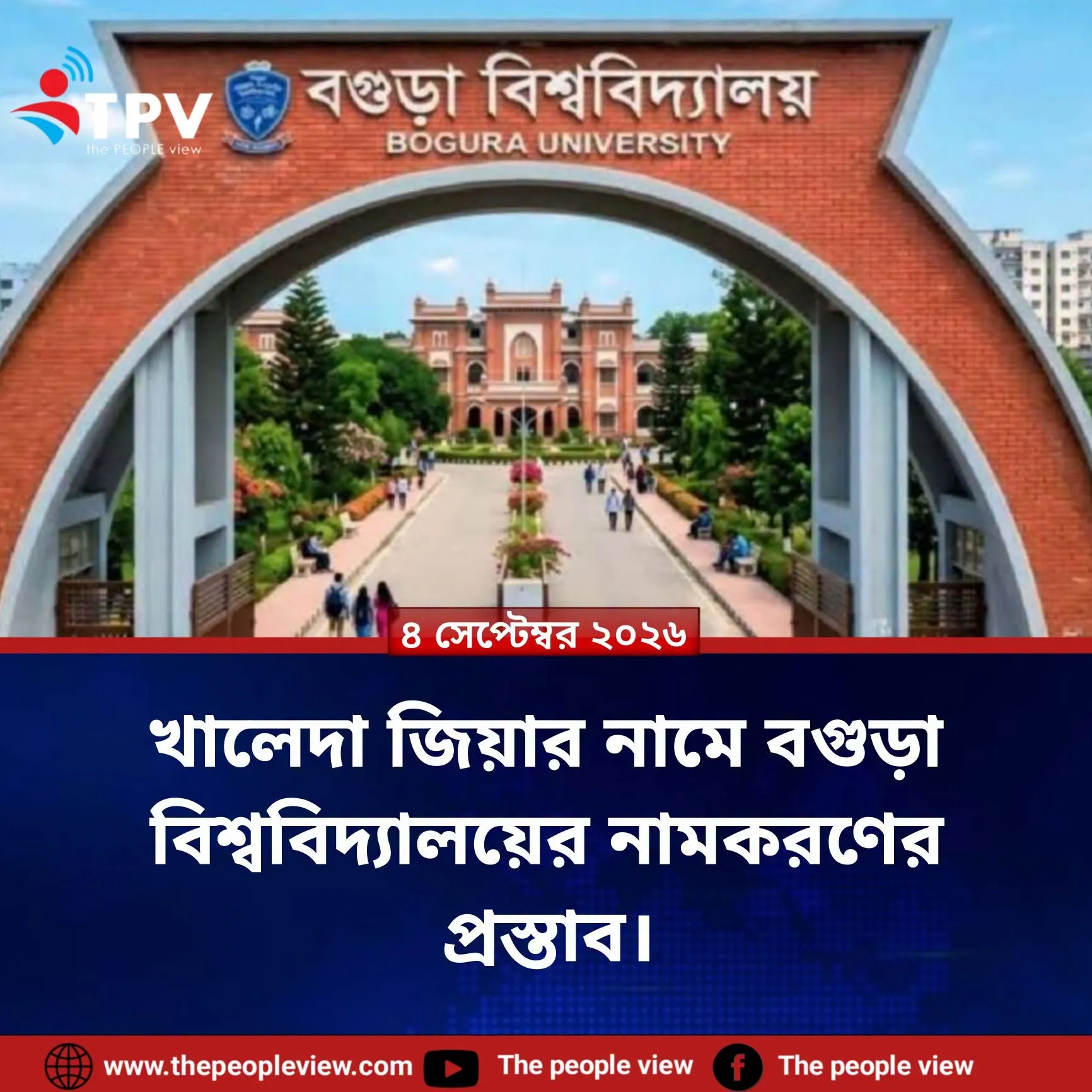
Proposal to Rename University After BNP Former Chairperson and Ex‑Prime Minister Khaleda Zia

Election Commission Unveils Sweeping Institutional Reforms: Announces Biometric Digital Audits and Comprehensive Voter Roll Modernization
