
BRICS Summit Formally Ratifies Multi-Currency Settlement Architecture: Accelerates Local Currency Clearing Across Emerging Trade Corridors

In a momentous recalibration of international finance designed to democratize global liquidity clearing and dismantle single-currency hegemony, the expanded BRICS economic bloc has formally ratified and deployed its sovereign blockchain-enabled settlement architecture, dubbed 'BRICS Pay.' Concluding the plenary leaders' summit, heads of state from Brazil, Russia, India, China, South Africa, and newly admitted member nations signed a binding multilateral treaty institutionalizing direct local-currency clearing mechanisms across cross-border commodity and merchandise flows.
The newly commissioned financial infrastructure links member central banks directly through an encrypted distributed ledger framework, bypassing Western correspondent banking networks and legacy SWIFT messaging conduits entirely. Bilateral commercial payments settle instantaneously via an authenticated currency basket underpinned by physical sovereign gold and standardized local currency swaps, systematically eliminating excessive currency conversion costs and clearing fees.
Addressing world financial media, summit leaders stressed that the non-aligned monetary architecture is designed not as an aggressive financial weapon, but as a defensive bulwark shielding emerging market sovereigns from extra-territorial unilateral sanctions, secondary enforcement freezes, and aggressive interest rate contagion exported by foreign central banks. Democratizing currency clearing fosters an inherently stable, multi-polar trading matrix.
Global trade and macroeconomic strategists noted that direct local-currency settlement is already capturing transformative momentum across primary energy, raw mineral, and agricultural food trade routes spanning Eurasia, Africa, and Latin America. As major crude oil exporters settle bilateral energy shipments directly in sovereign currencies, massive institutional liquidity volumes are permanently diversifying away from traditional reserve accounts.
The International Monetary Fund (IMF) observed that the deployment of independent multilateral payment architectures accelerates sovereign reserve diversification globally. By fostering seamless inter-operability between national currencies, emerging market sovereigns are building robust macroeconomic buffers capable of withstanding turbulent global economic cycles.
Related Stories
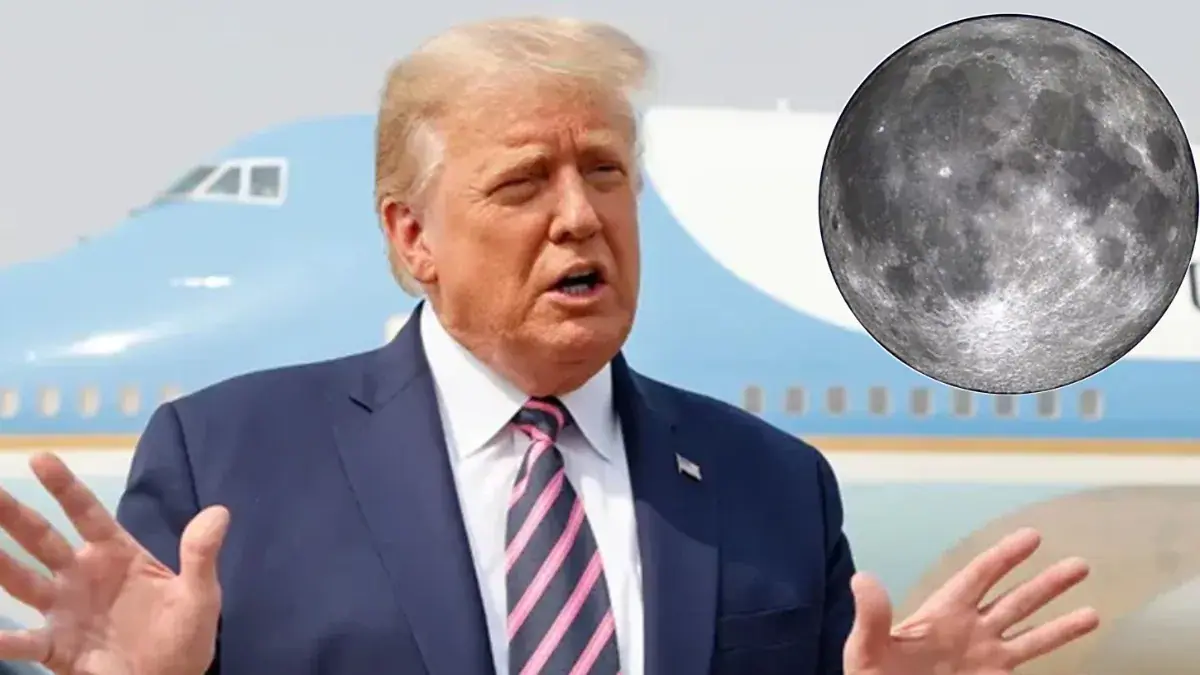
চাঁদের মালিকানা দাবি করেছেন ডোনাল্ড ট্রাম্প
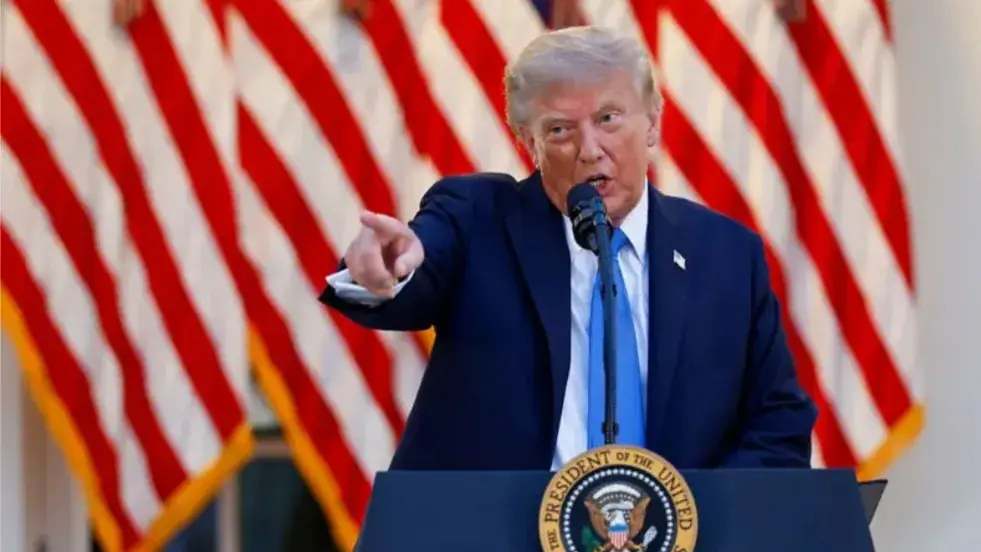
রিপাবলিকানরা মধ্যবর্তী নির্বাচনে জিতলে প্রত্যেক প্রাপ্ত বয়স্ক আমেরিকান পাবে ৫০০০ ডলার -ট্রাম্প
